
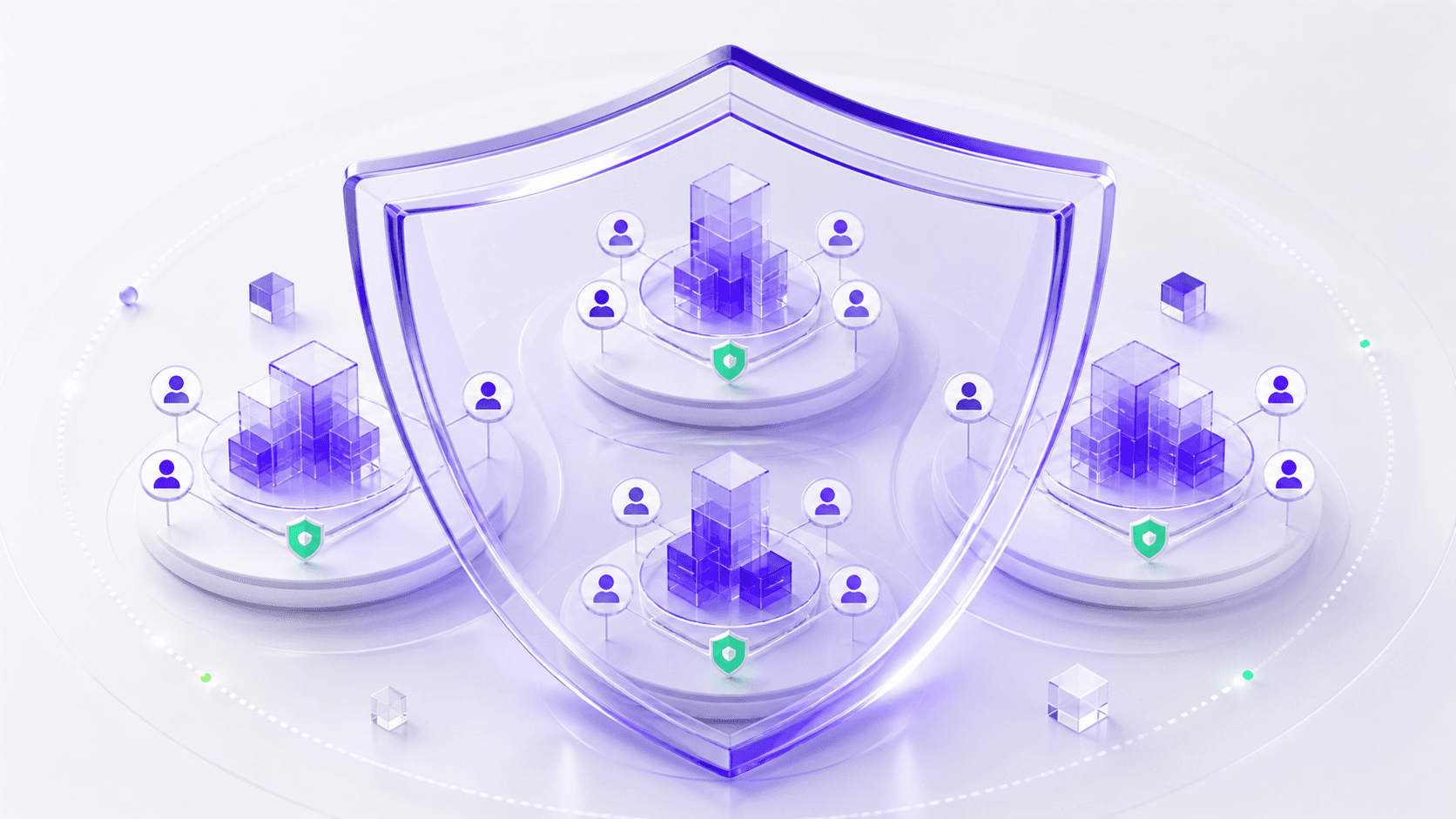
An SMS operations platform holds provider connections, contact audiences, templates, campaigns, delivery logs, team membership, and billing context. In a multi-company product, the first security requirement is making the active organization explicit.
The SMSHub application behind IntelliSend uses tenant-aware routing and a company-selection flow so authenticated users enter an organization workspace. Application data is resolved within that tenant context rather than presented as one global dataset.
Authentication answers who the user is. Permissions answer what that user may do. The application defines separate actions for campaigns, contacts, providers, reports, roles, users, settings, domains, notifications, and other operational areas.
Protected routes and permission-aware navigation reduce accidental access, but backend authorization remains the decisive control. Hiding a menu item is helpful UX; it is not a security boundary by itself.
Provider credentials are used by dedicated backend integration classes. The browser calls the IntelliSend application, and the server communicates with TouchSMS, ClickSend, or SMSGlobal. That design prevents public landing-page code from becoming the custodian of provider secrets.
Account activity, campaign logs, provider events, and delivery states help teams reconstruct what occurred. Rate limits and OTP verification add protection to exposed account and submission flows.
No single control makes a SaaS platform secure. The useful pattern is layered: organization context, explicit authorization, server-side credentials, constrained public endpoints, and enough audit evidence to investigate unexpected behavior.