
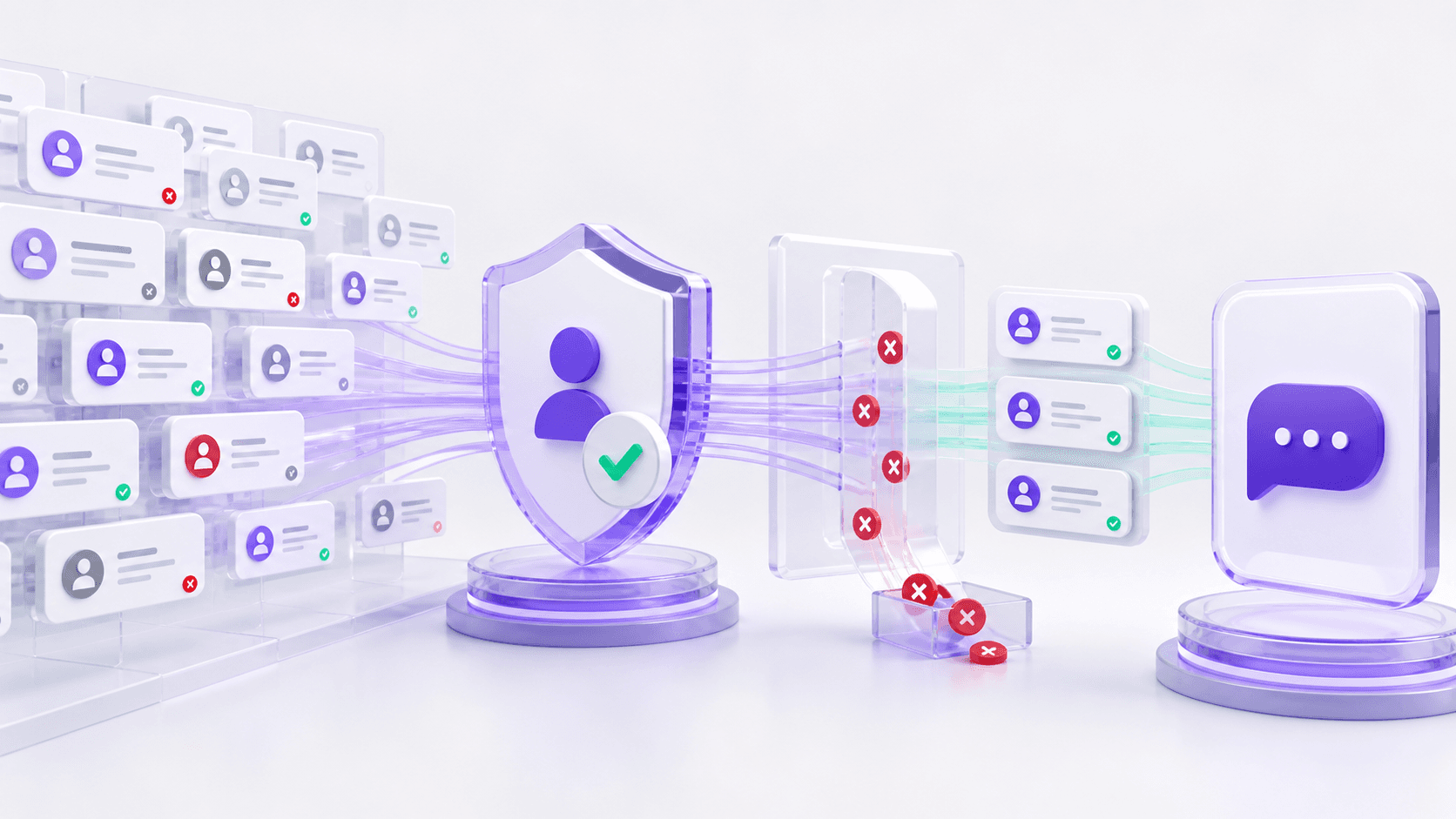
Routing cannot repair an audience that contains malformed numbers, duplicate records, or recipients who should not receive marketing messages. Contact hygiene is part of messaging reliability because it determines which records enter a campaign in the first place.
IntelliSend organizes contacts into groups and provides a CSV import flow with field mapping, preview, validation status, and follow-up editing. That process gives teams a point to correct the dataset before it becomes campaign traffic.
An opt-out is not a note to remember later. It is a recipient state that must affect audience eligibility. The main application records whether a contact has opted out of marketing and includes provider-specific opt-out synchronization for integrations that expose those controls.
Keep the meaning of consent clear. Transactional and marketing use cases may follow different rules, and legal requirements vary by destination. IntelliSend provides the workflow controls; the organization remains responsible for deciding when it has a lawful basis to send.
Use stable column names, normalize phone numbers before upload when possible, and map only the fields the team understands. Review invalid records instead of silently forcing them into the audience. If the same data source is imported repeatedly, define who owns cleanup and how duplicates are handled.
Contact changes, campaign configuration, delivery logs, and provider events help explain why a message was or was not sent. That evidence is valuable during support investigations and compliance reviews.
Responsible SMS operations are not one checkbox. They are a repeatable chain: clean source data, explicit recipient status, controlled audience selection, and delivery records that can be reviewed afterward.